
Why Does Falling Asleep Feel Like Fainting When You Have Vestibular Dysfunction?


When you lie down to go to bed, your brain faces a massive shift in how it perceives your body in space. For individuals dealing with chronic dizziness or a vestibular disorder, this transition period can trigger a terrifying sensation:
“Feeling like you are passing out or fainting right as you drift off to sleep.”
This experience often triggers an immediate survival response, causing you to jump out of bed, turn on the lights, and experience an intense surge of anxiety.
This is not just ‘in your head’.
It is a direct result of how your brain coordinates sensory information when you close your eyes in a dark room.

Why Does This Sensation Happen Right Before Bed?
To maintain a sense of balance and stability, your brain relies on three primary systems: your vision, your inner ear (vestibular system), and your muscles and joints (somatosensory system).
When you lie down in a dark room and close your eyes, your brain suddenly loses its visual anchor. If your system relies on a visual dependency to feel stable, your brain panics when that visual input disappears.
Simultaneously, if your brain is using a maladaptive sensory strategy, it fails to properly transfer its weight-bearing calculations to your inner ear or the physical surface of the bed. This creates a severe sensory mismatch. Your brain receives conflicting or missing data about movement, and instead of interpreting the moment as drifting into sleep, it misinterprets it as a dangerous drop in blood pressure or a loss of consciousness.
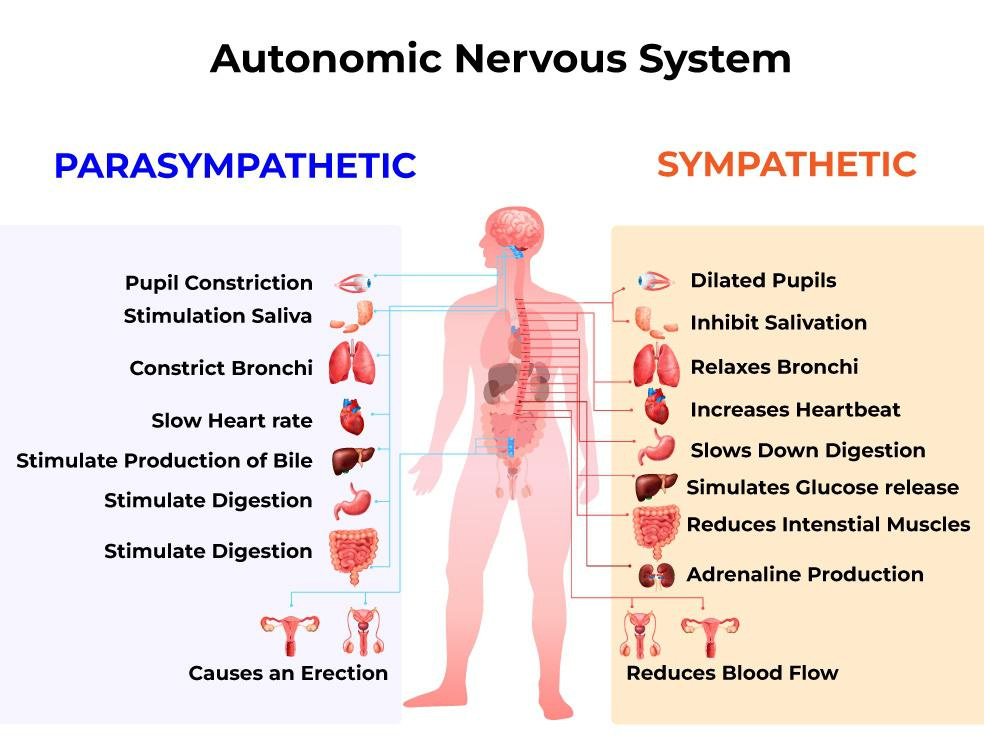
The Role of the Autonomic Nervous System
The instinct to run, flip on the lights, and wake up your spouse is a completely normal response to an abnormal sensory signal.
The Panic Loop: When the brain senses a mismatch, it treats the dizziness as an immediate threat to your survival. It floods your system with adrenaline, spiking your heart rate and anxiety.
The Fainting Illusion: The physical transition into sleep naturally involves a drop in heart rate and blood pressure. When this normal physiological shift collides with a vestibular sensory mismatch, your brain panics and perceives the natural onset of sleep as fainting.

Specific Steps You Can Take Tonight
If you experience this intense sensation right before bed, you can use specific knowledge, environmental modifications, and physical grounding techniques to stabilize your nervous system and reduce the sensory conflict:
Recognize and Educate Yourself First:
The absolute first step is acknowledging exactly what is happening in your body. Now that you understand the mechanics of a sensory mismatch and visual dependency, you can identify the sensation as a symptom of your vestibular disorder rather than a life-threatening emergency. Recognizing that your brain is simply misinterpreting sleep onset stops the panic loop before it starts, helping you tolerate the symptoms calmly.
Maintain a Visual Anchor:
Do not sleep in total darkness. Use a dim nightlight or a small bedside lamp. If you experience a sudden surge of dizziness, open your eyes immediately and fixate on a stable object in the room, such as a picture frame or the bedroom door, to stop the illusion of motion.
Focus on a Strong Somatosensory Component:
When you lie down, consciously focus on the firm physical contact between your body and the mattress. Press your heels, hips, shoulders, and the back of your head firmly into the bed. Actively feeling the weight of your body can help your brain transition away from visual reliance and adopt a more effective strategy for grounding itself.
Elevate Your Head and Torso:
Use a wedge pillow or prop yourself up with two or three firm pillows. Keeping your head slightly elevated changes the fluid dynamics in your inner ear and can reduce the severity of positional sensory mismatches when you close your eyes.
The ‘Eyes Open’ Transition:
Do not close your eyes the moment your head hits the pillow. Lie quietly with your eyes open for two to three minutes while focusing on a fixed point in the room. Allow any internal motion to zero out and stabilize before you close your eyes to fall asleep.
Disclaimer: If you experience these symptoms, remember to talk to your doctor or healthcare provider. Certain medications can affect blood pressure, heart rate, or vestibular function, so it is vital to review your current prescription list to see whether any are contributing to this bedtime sensation. Additionally, discuss these symptoms with your vestibular physical therapist so they can design targeted exercises to optimize how your brain processes sensory information, helping to reduce visual dependency and coordinate a more stable strategy for sleep transitions.