



When patients ask, “What is BPPV, and how does it affect me?” they are seeking an answer to the violent, spinning sensation that has suddenly disrupted their world. While the medical name—Benign Paroxysmal Positional Vertigo—sounds reassuring, the actual nature of the condition is anything but. It can produce high levels of nausea and vomiting, increase the risk for falls, and trigger a racing heart, fear, and panic.
To understand why this happens and what you can do about it, you must first understand the “hardware” inside your head.

The Breakdown: What Does BPPV Mean?
To understand how to treat your dizziness, you have to understand the specific mechanics of the diagnosis:
Benign: This indicates the condition is not life-threatening and is not caused by a tumor or brain disease. However, it does not have a “benign” nature in practice; it creates a high-risk environment for injury.
Paroxysmal: The symptoms come and go in sudden, brief bursts. Depending on where the debris is located, the spinning may last for seconds or minutes.
Positional: This is a mechanical issue. The intensity of the spinning changes based on your head’s position relative to gravity.
Vertigo: This is a true spinning sensation. You may experience subjective vertigo (you feel yourself moving) or objective vertigo (you see the room spinning through your eyes).
Your Internal Ballast Stones
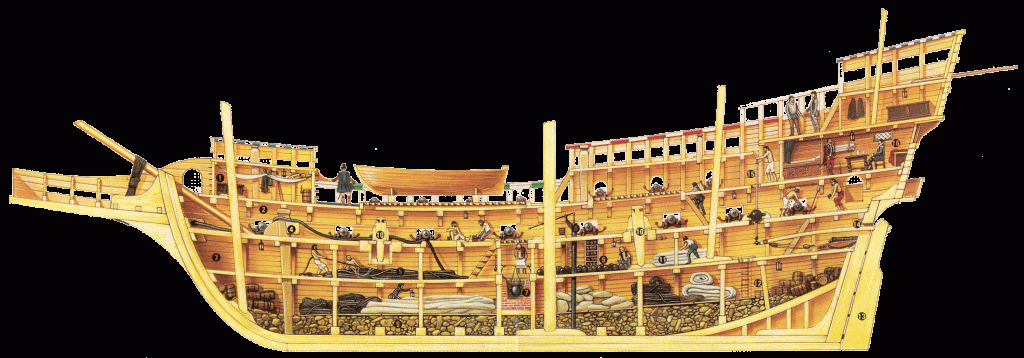
Inside your inner ear sits a highly specialized sensor called the otolith organ. Think of an old sailing ship that uses rocks in its base to keep it from tilting or capsizing. This is called a ballast.
Your ear has its own version of these rocks called otoliths (from oto, meaning ear, and lith, meaning stone). These stones are incredibly dense—nearly three times as heavy as gravity—acting like tiny lead weights. Their purpose is to sit atop your sensors and send a continuous signal to your brain about your position via linear motion. They sense:
Forward and backward movement.
Side-to-side movement.
Up and down (verticality).
Accelerations and decelerations.
The Mechanical Failure: Trapped in the Canals
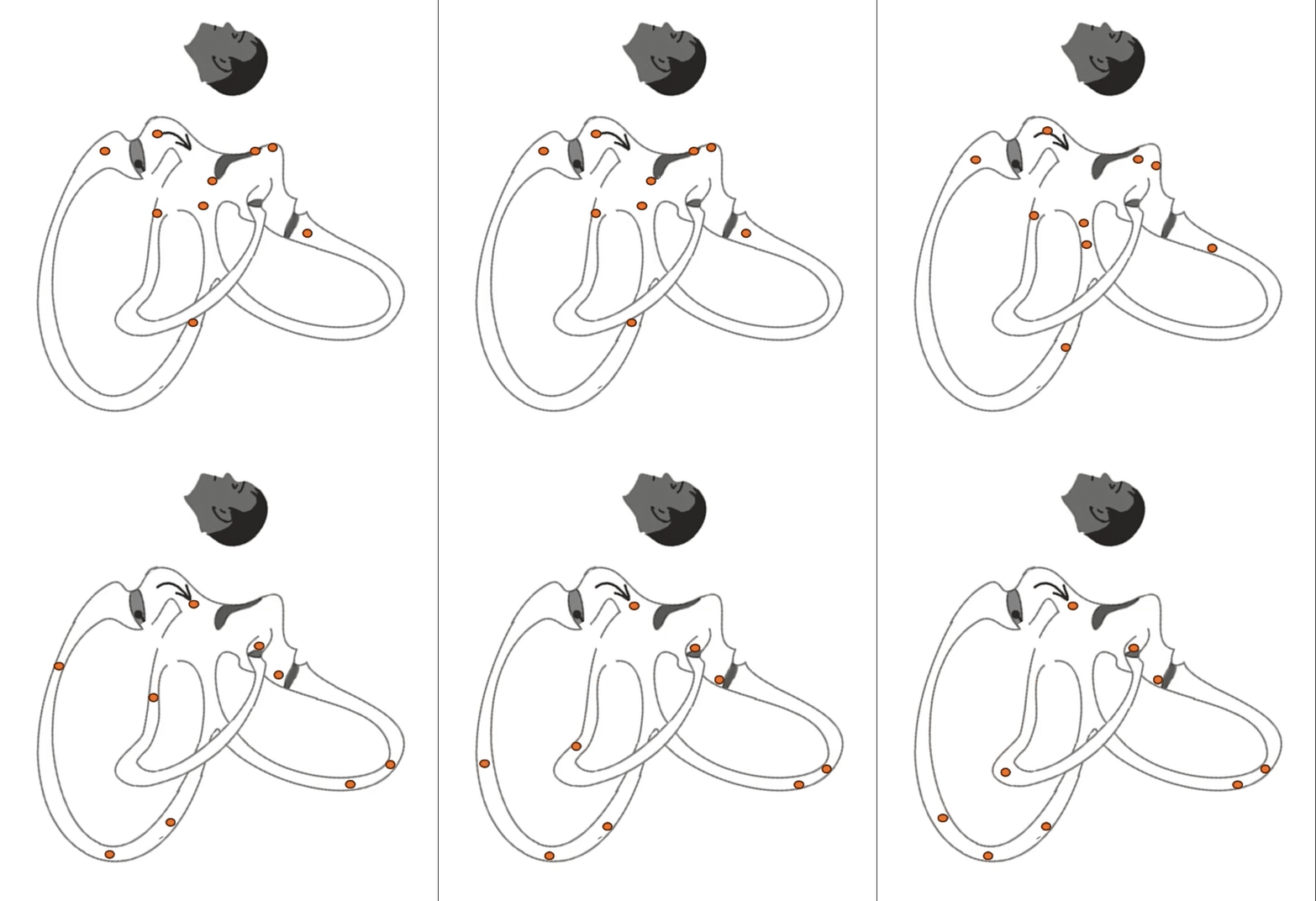
BPPV occurs when these “ballast stones” dislodge from the sensor and become trapped in the semicircular canals surrounding the otolith organ. These canals have a different job: they sense angular rotation (spinning).
When the heavy stones get inside those fluid-filled loops, they fire off the sensors and trick your brain into thinking you are moving at a high velocity, even if you are perfectly still. This creates a massive sensory mismatch and a total loss of your “plum line,” leaving you feeling profoundly unstable.

Will It Go Away? The Cracked Eggshell Theory
The most frequent question is: “Will it ever go away?” In most cases, the spinning can be stopped by repositioning the stones back into the otolith organ. Once there, they may reattach to the sensor or enter a small tube called the endolymphatic duct, which leads to a sac where the stones are broken down and reabsorbed by your lymphatic system.
However, we must address the “Cracked Eggshell” nature of the condition. Think of the otolith membrane like the shell of a hard-boiled egg that has been cracked. Even after we move the loose pieces, the surface remains compromised.
Residual Dizziness: Because you have lost a portion of the “mass” from your ballast stones on one side, you will be “out of plumb.” This creates ongoing instability and balance issues even after the spinning stops.
Recurrence: Current literature suggests that within six months to two years, there is a high likelihood of the stones falling off again. The “shell” continues to flake until it reaches a healthy, stable portion of the membrane or the loose section completely sloughs off.
What Can You Do About It?
While the “eggshell” may be cracked, you are not helpless. Once you understand that this is a mechanical failure of your ballast system, you can take active steps to manage it.
1. Mechanical Repositioning
We can use specific maneuvers to move these stones out of the canals and back to where they belong.
2. Optimizing the Environment through Diet
We can support the integrity of the inner ear by managing the degradation of the calcium carbonate stones. Current literature suggests that Vitamin D3 and K2 supplementation may support the health of the otolithic membrane and reduce the frequency of these “cracks.”
3. Sensory Strategy Training
We focus on optimizing your internal environment so your brain can recalibrate to its new center of gravity. By understanding the mechanics of your inner ear, you can reduce the fear associated with the spin and take control of your recovery.
Navigating the “Cracked Eggshell”: A Path Forward
Understanding that BPPV is a mechanical failure—rather than a mysterious illness—is the first step toward regaining control. While the “cracked eggshell” nature of the otolithic membrane means there is a statistical likelihood of recurrence within six months to two years, you are not a passive observer of your balance.
By identifying the specific “plum line” shift and utilizing targeted repositioning maneuvers, we can facilitate the return of the ballast stones to their proper home. Furthermore, by optimizing your internal environment through clinical insights into Vitamin D3 and K2 supplementation, we support the very integrity of the calcium carbonate structures that keep you upright.
You may feel “out of plumb” for a period as your brain recalibrates to the change in mass on the sensory membrane, but with the right sensory strategies, you can coordinate a return to stability. The goal is not just to stop the spinning, but to optimize your vestibular health so that you can move through the world with confidence once again.