
Part 2: Reclaiming Verticality — How to Retrain Your Balance System in Bilateral Vestibular Hypofunction (BVH)


In part one, I identified that when you have Bilateral Vestibular Hypofunction (BVH), your brain becomes trapped in a protective “suspensory strategy” because it can no longer rely on your vestibular system to keep you upright.

This two-part series concludes here with the practical steps required to address this tug-of-war. The goal is not to “fix” the vestibular system, but to “optimize” your brain’s ability to use the remaining sensory pathways—specifically your core and your somatosensory system—to regain confidence in an upright position.
Sensory Integrative Therapy: A Behavioral Approach to Substitution
I focus on a concept called sensory integrative therapy, a specialized sensory-relating therapy designed to help the brain learn to substitute behaviorally and sensorily. What is unique about this approach is that the brain will take the remaining function of your vestibular system and maximize its input by coordinating it with your visual and somatosensory systems.
It will not be perfect, but it may improve more than you think.
You must work on core stability, but you must do it with resistance to force the nervous system to adapt.
The Isometric Progression Strategy
I typically initiate these exercises with sustained isometric holds. The objective is to increase the total time under tension to ensure the brain commits to the new, stable position rather than retreating into a crouch.
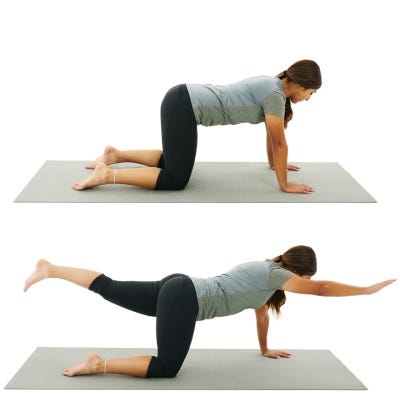
Quadruped Bird-Dog Progression
Goal: Optimize core-to-limb coordination as a stable bridge.
Execution: Slowly extend opposite limbs. Introduce resistance bands to the limbs to increase demand.
Dosaging: 3 sets of 5-count holds, progressing to 10, 15, 20, and 25-count holds as stability improves.

High-Plank Progression
Goal: Maximize core stability and proprioceptive feedback through the hands and feet.
Execution: Assume a high-plank position, keeping the spine neutral, glutes engaged, and core braced to maintain a rigid bridge.
Dosaging: 3 sets of 5-count holds, progressing to 10, 15, 20, and 25-count holds as stability improves.
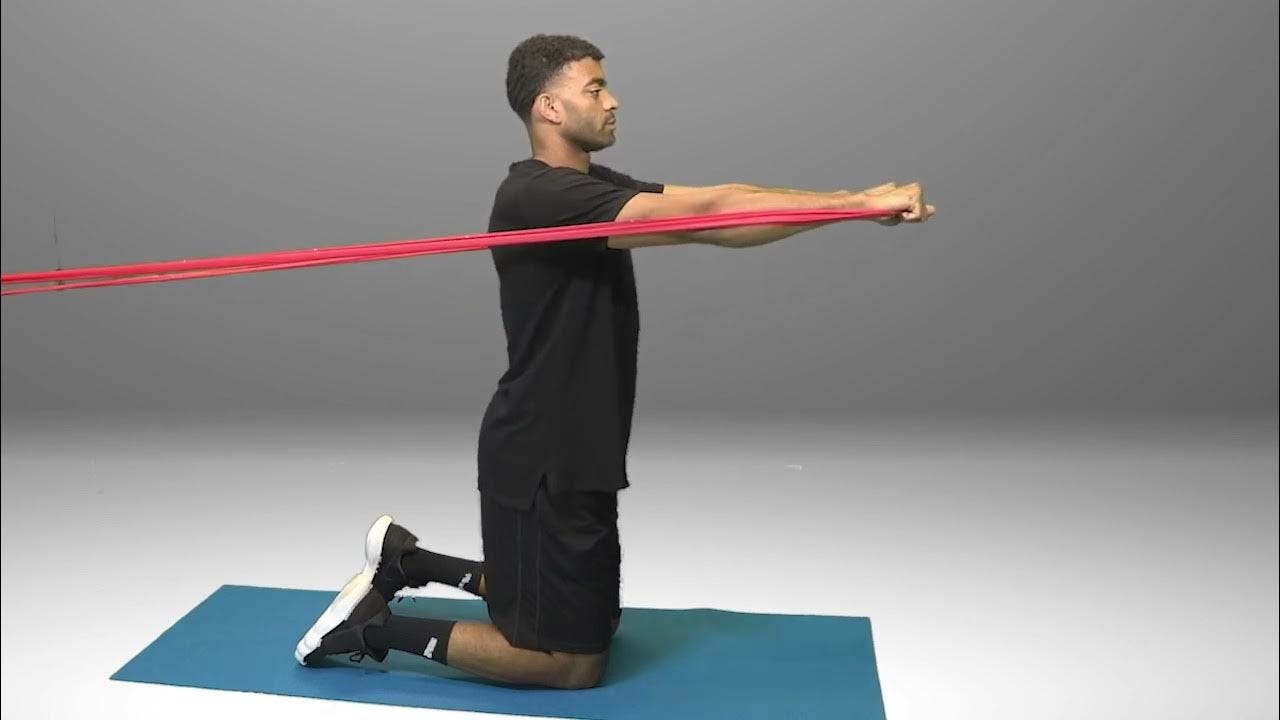
Tall Kneeling with Resistance
Goal: Remove the ankle strategy to force core and hip control.
Execution: Maintain a neutral spine while a resistance band or kettlebell attempts to pull you off balance from different angles.
Dosaging: 3 sets of 5-count holds, progressing to 10, 15, 20, and 25-count holds.
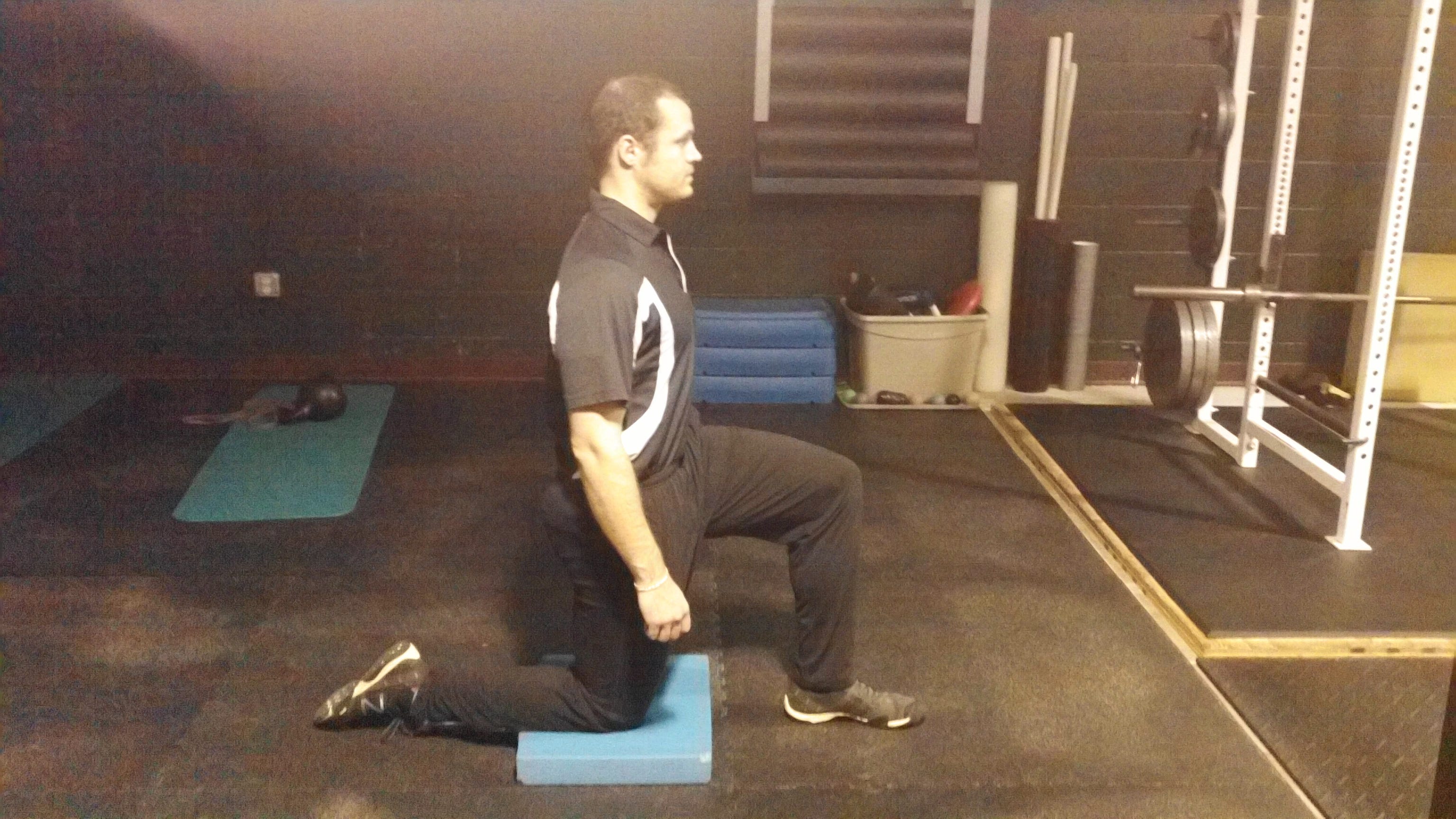
Half-Kneeling Stability Training
Goal: Coordinate asymmetrical input to maintain verticality.
Execution: Practice on a firm surface, then progress to a foam pad. Use your arms to push or pull against resistance at eye level.
Dosaging: 3 sets of 5-count holds, progressing to 10, 15, 20, and 25-count holds.
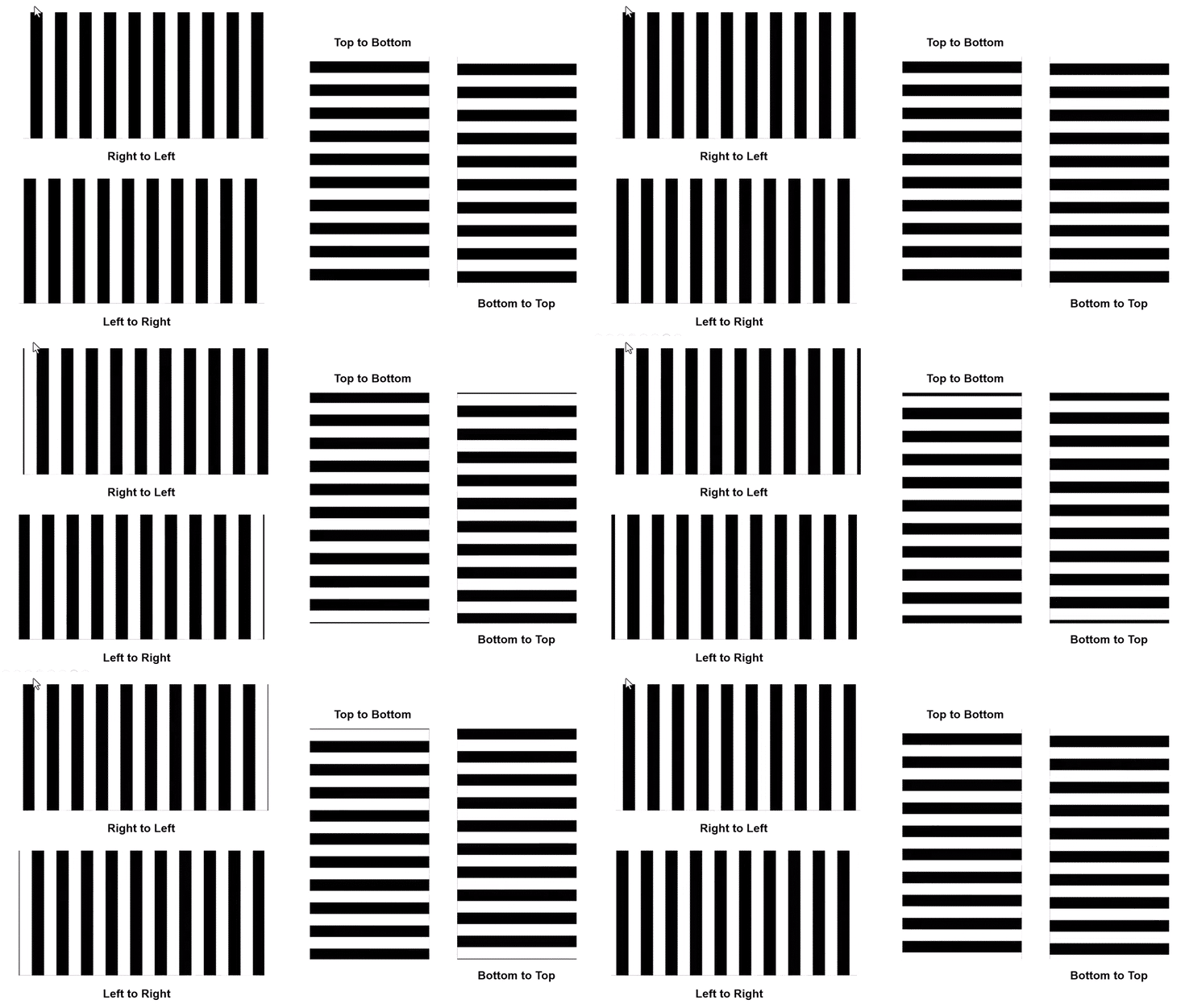
Visual Conflict Integration (VCI) and Virtual Reality
Goal: Force the integration of vestibular and somatosensory inputs by breaking visual dependency.
Execution: Use simple virtual reality goggles with your iPhone to introduce visual conflict videos while performing the exercises above.
Dosaging: Perform 3 sets of 20-second VCI intervals during each core exercise session.
Using External Tools to Create Safety
When the brain’s internal system is insufficient due to BVH, do not hesitate to use assistive devices. Using trekking poles or a walker creates a stable “microenvironment” that acts as an extension of your somatosensory system. These tools provide the additional input your brain needs to feel secure, allowing it to release the suspensory strategy and trust an upright posture.
Call-Out: Why Time Under Tension Matters for BVH
The more time your brain spends in an upright, isometric hold, the more data it collects regarding your postural safety. Short bursts of movement do not provide enough data for the brain to “optimize” its internal map. You must sustain the position to force the brain to abandon the “suspensory strategy” and accept that you are capable of maintaining verticality without a protective crouch.
Final Conclusion: A Path to Functional Stability
By identifying the suspensory strategy as a defense mechanism rather than a failure of your character, you can begin to “coordinate” a new way of moving that allows you to stand tall again. This two-part series highlights that while BVH presents a significant neurological challenge, the “process” of systematic retraining is within your control. Consistency in your isometric loading and your commitment to challenging your sensory integration will “support” the neural pathways necessary for greater confidence. Refer to my foundational post on the Werner Sensory Integration Method for more on building these pathways. Understanding your brain’s defensive patterns and applying targeted sensory therapy is the first step toward reclaiming your independence.